

Why Does My Brain Freak Out When I Know I’m Probably Okay?
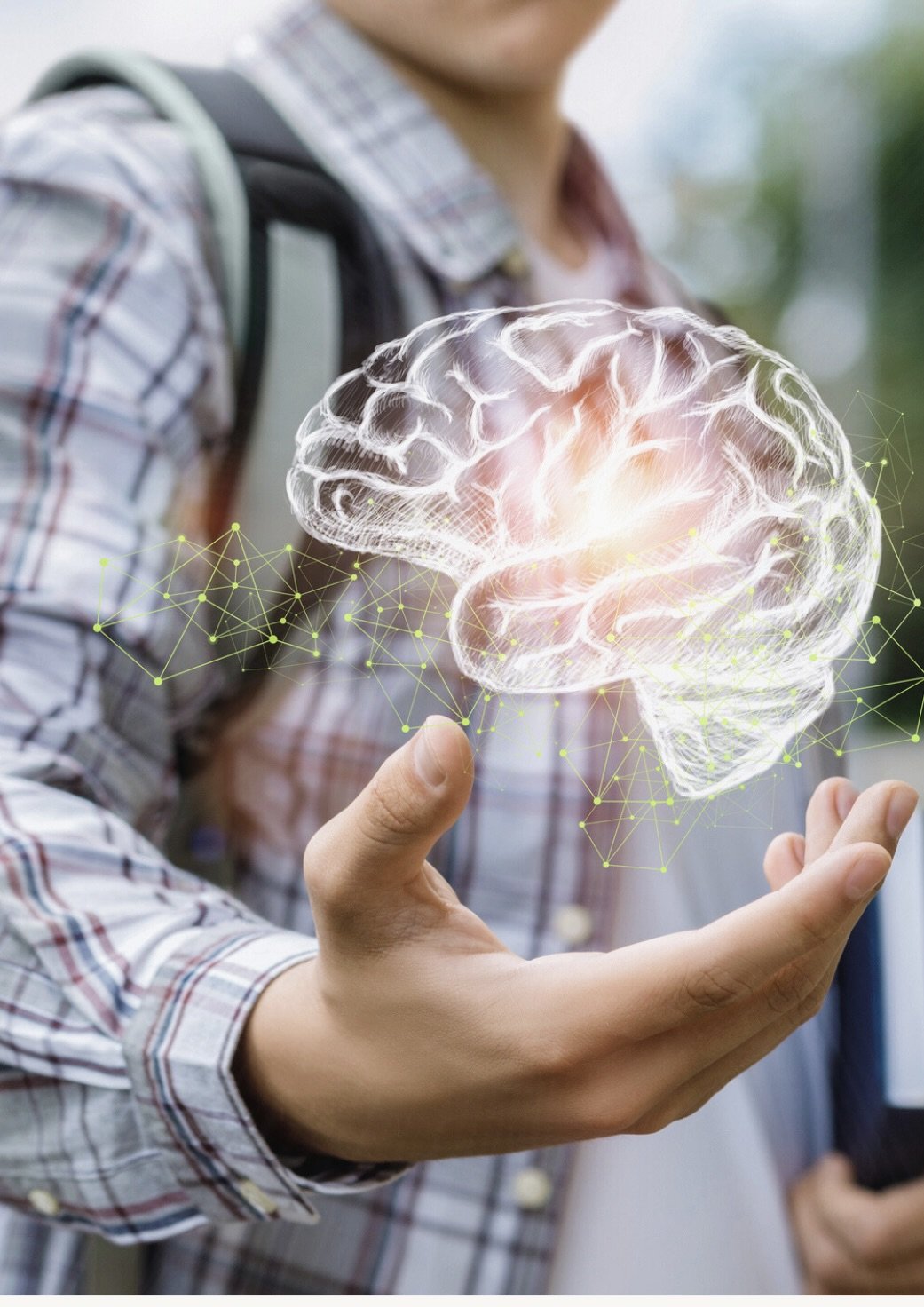
Why Does My Brain Freak Out When I Know I’m Probably Okay?
Have you ever had your heart start pounding, your stomach feel weird, your breathing change, or your mind suddenly jump to the worst possible conclusion—even though part of you knows you’re probably okay?
There’s actually a reason for that.
And no, it doesn’t mean you’re being dramatic or that you should be able to simply “calm down.”
Meet Your Amygdala
Your amygdala is a small part of your brain that helps detect possible danger.
Think of it like your brain’s smoke alarm.
If there really is a fire, a smoke alarm is incredibly helpful. You WANT it to get your attention.
But sometimes a smoke alarm goes off because you burned a piece of toast.
Your amygdala can do something similar.
When you have anxiety, your brain may occasionally react to something that is uncomfortable, uncertain, embarrassing or stressful as though it is actually dangerous.
Your amygdala basically says:
“WAIT! SOMETHING MIGHT BE WRONG!”
And your body responds.
Your heart may race. Your breathing may get faster. Your stomach may hurt. You might feel shaky, hot, dizzy or nauseous. Your thoughts may start racing.
And sometimes this can turn into a panic attack.
Now Meet Your Prefrontal Cortex
The prefrontal cortex is the part of your brain that helps you think things through, solve problems, control impulses, make decisions and regulate emotions.
It's basically the part that can say:
“Okay. Hold on. What is actually happening here?”
Here's where being a teenager gets interesting.
Your brain is still developing—and that's completely normal. The emotional and threat-detection systems of the brain can be highly reactive during adolescence, while the prefrontal cortex and the connections that help regulate those reactions are still maturing.
In other words, sometimes your brain's alarm system can react faster than your reasoning system can respond.
That doesn't mean teenagers can't think logically. Obviously they can!
It means that when emotions, stress or fear become intense, it can temporarily become harder to access the calm, logical thinking that you normally use very well.
So What Does This Have to Do With Anxiety?
A LOT.
Imagine you're worried about something.
Your amygdala detects a possible threat.
Your body reacts.
Then you notice your body reacting.
“Why is my heart beating so fast?”
That thought scares you.
Your amygdala notices that fear and thinks:
“See?! I KNEW something was wrong!”
Your body reacts even more.
And suddenly you can have an anxiety spiral:
Thought → Fear → Body Reaction → More Fear → More Body Reaction
That's one way panic can build very quickly.
Here's the Good News
You can learn to interrupt that cycle.
You can't always control the first anxious feeling that shows up—but you CAN learn what to do next.
That's where things like slowing your breathing, grounding yourself, challenging an anxious thought, taking a pause and learning not to immediately react to every uncomfortable feeling can help.
You're essentially teaching your brain:
“I notice the alarm. But an alarm doesn't automatically mean I'm in danger.”
And every time you practice responding differently, you're building better coping skills.
Try the Power of the Pause
When you notice anxiety starting, pause for a moment and ask yourself:
What am I feeling right now?
What is my brain telling me might happen?
Is this actually dangerous—or does it just feel scary or uncomfortable?
What facts do I have right now?
What can I control in this moment?
Then give your logical brain a little time to catch up with your emotional brain.
You don't have to believe every thought that enters your mind.
You don't have to react to every uncomfortable feeling.
And you don't have to make anxiety disappear before you continue with your day.
Sometimes the goal isn't:
“How do I make this feeling stop immediately?”
A better goal can be:
“How can I show my brain that I can handle this feeling?”
That's a skill.
And like most skills, it gets stronger with practice.
Sandra Frost
Teen Life Skills Specialist/Grief Recovery Specialist/Life Coach
